

Council to Probe Slow H.O.M.E. Spending
City Council voted October 29 to hold hearings on Mayor Cherelle Parker’s signature housing plan, two days after the City Controller reported that only $38 million of $278 million budgeted for its first phase has been spent.
Resolution 260934, introduced by at large Councilmember Kendra Brooks, authorizes the Committee on Finance to conduct hearings on the Housing Opportunities Made Easy plan, known as H.O.M.E. Council adopted it the same day it was introduced, with eight co-sponsors signing on. No hearing date has been set.
The hearings follow an October 27 report from City Controller Christy Brady, who found the city spent about $38 million halfway through the first phase, with nine months remaining in the budgeted year. The exact total was $37,651,632, slightly more than 13 percent of what Council approved for the first 16 months of the initiative, which runs from March 2026 through June 30, 2027. The remaining money must be spent by that June 30 deadline, under the legislation Council passed in January.
Only 4 of the 29 programs in the initiative have recorded any spending so far, and all four existed before H.O.M.E. and were reclassified under it. The Basic Systems Repair program, which provides free repairs to electrical, plumbing, heating, carpentry, and roofing emergencies in owner occupied homes, accounts for nearly $26 million of the total. The Adaptive Modification program, which provides free accessibility modifications for people with physical disabilities, accounts for about $6.5 million. Eviction Diversion, which helps landlords and tenants resolve disputes without going to court, accounts for about $5.1 million. Built to Last, which adds energy conservation and healthy housing repairs to the basic repair work, accounts for about $64,000.
Most repair and modification projects run $7,000 to $20,000 each, with some homes totaling as much as $50,000 across multiple projects, according to the controller’s office.
H.O.M.E. is the mayor’s $2 billion plan to build, preserve, and restore 30,000 housing units over four years, funded largely by $800 million in city bonds. Council approved the bond financing in June 2025, then approved the first phase spending plan in January 2026, raising the mayor’s original $194.6 million proposal to about $277 million and aiming most of the money at households earning 60 percent of area median income or less.
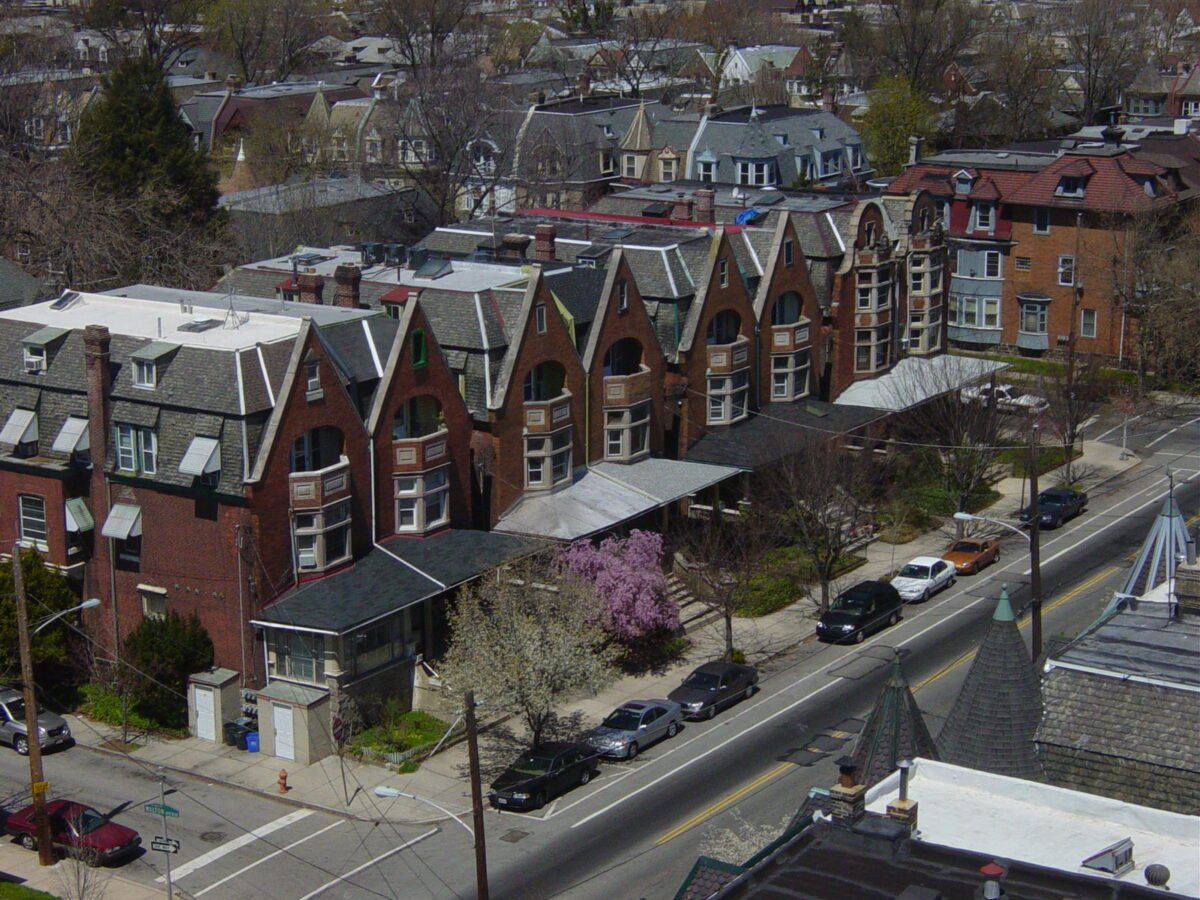
The slow pace matters in the Northeast, where two ZIP codes rank among the top five for H.O.M.E. spending so far. Frankford’s 19124 has seen about $2.1 million, and 19120, covering parts of Frankford and the surrounding neighborhoods, has seen about $2.3 million. The money so far has gone to repairs and modifications in owner occupied homes, the kind of work that keeps longtime residents in aging rowhouses.
“Affordable housing helps keep our communities strong by giving residents the stability and opportunity to grow where they live,” Brady said in the report. “The majority of funding is allocated to neighborhoods facing significant economic challenges,” she added.
The Finance Committee, chaired by Majority Leader Katherine Gilmore Richardson, will set the hearing date. As of November 2, it was not on the committee’s calendar for November. Council’s next full session is November 12.
Meanwhile, new pieces of the plan are still coming. The One Philly Mortgage program, which runs through H.O.M.E., is targeted to launch before the end of 2026 with Citizens Bank as its first lender, though its terms, including the interest rate, have not been published.