
Philadelphia City Council takes up the future of the city’s trash today, and a whistleblower the incinerator company tried to silence is set to testify.
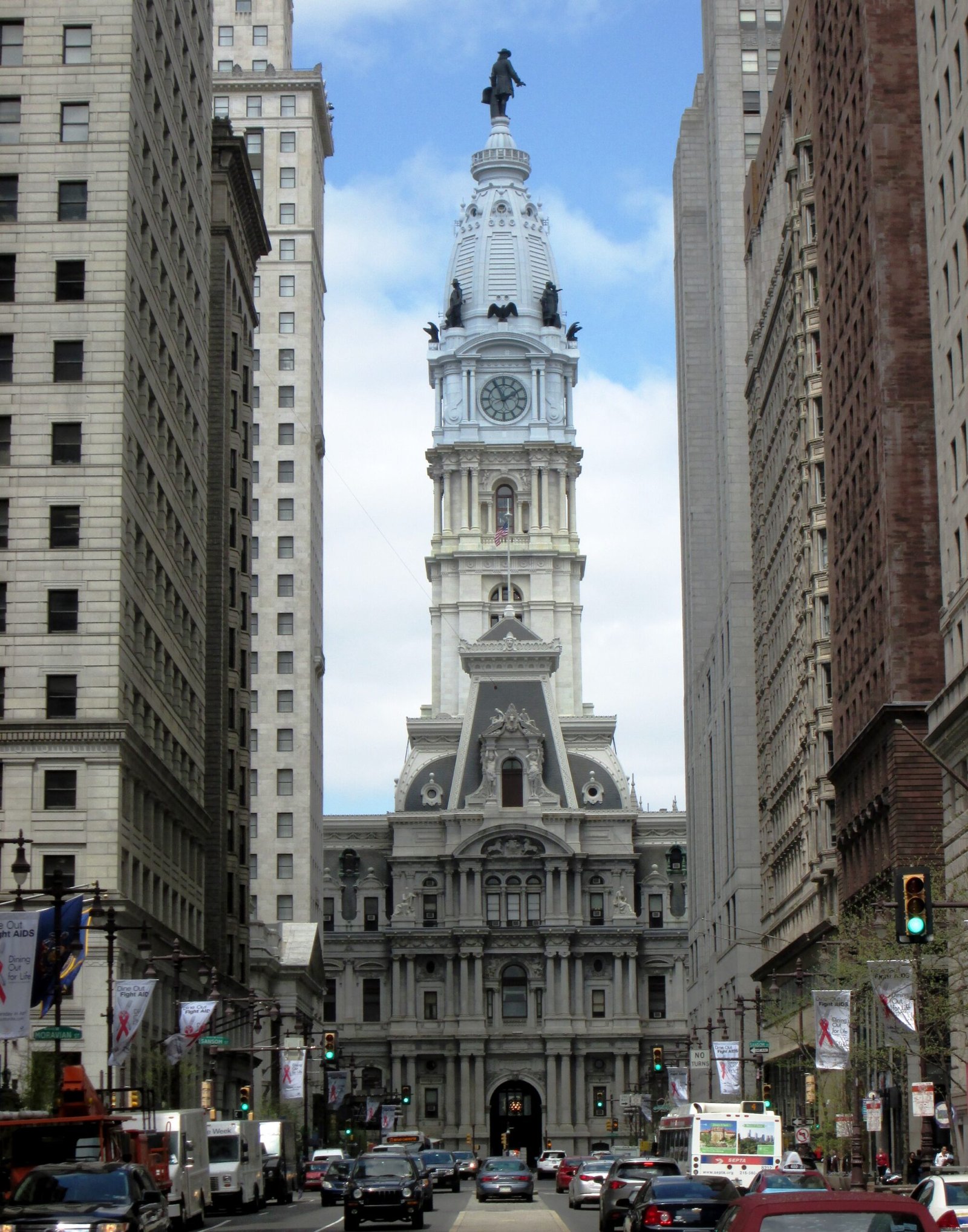
The Committee on the Environment meets at 1 p.m. in Room 400 of City Hall to hear two bills that decide where Philadelphia’s garbage goes for years to come. The big one is Bill 260794, which would let the city sign new disposal deals with Waste Management, Republic Services, and Reworld, the company that burns about a third of Philly’s trash at its giant incinerator in Chester. A committee vote is expected today, though the bills would still need a first reading and a final vote at a later stated meeting.
The hearing got more interesting this week. Council subpoenaed Eric Bazis, a former operations supervisor at the plant, to testify about what he says he saw inside it. Reworld’s lawyers argued a confidentiality order in ongoing litigation barred him from talking. A Court of Common Pleas judge disagreed and ruled Bazis can testify.
In his lawsuit, Bazis claims plant managers told him “to set filtration settings to emit sulfur dioxide, a harmful pollutant, as close to the legal concentration limit at that plant of 29 parts per million (ppm) as possible. That sometimes resulted in emissions levels temporarily exceeding the legal limit.” Those are allegations in a lawsuit, not findings, but Council clearly wants to hear them before it signs off on a new deal.
The numbers explain why the administration wants this contract. Last year, Philadelphia sent roughly 180,000 tons of garbage to the Chester plant, nearly 30 percent of everything the city throws away. The city paid Reworld $13.2 million in fiscal year 2026. At about $47 a ton next year, burning trash in Chester is one of the city’s cheapest disposal options.
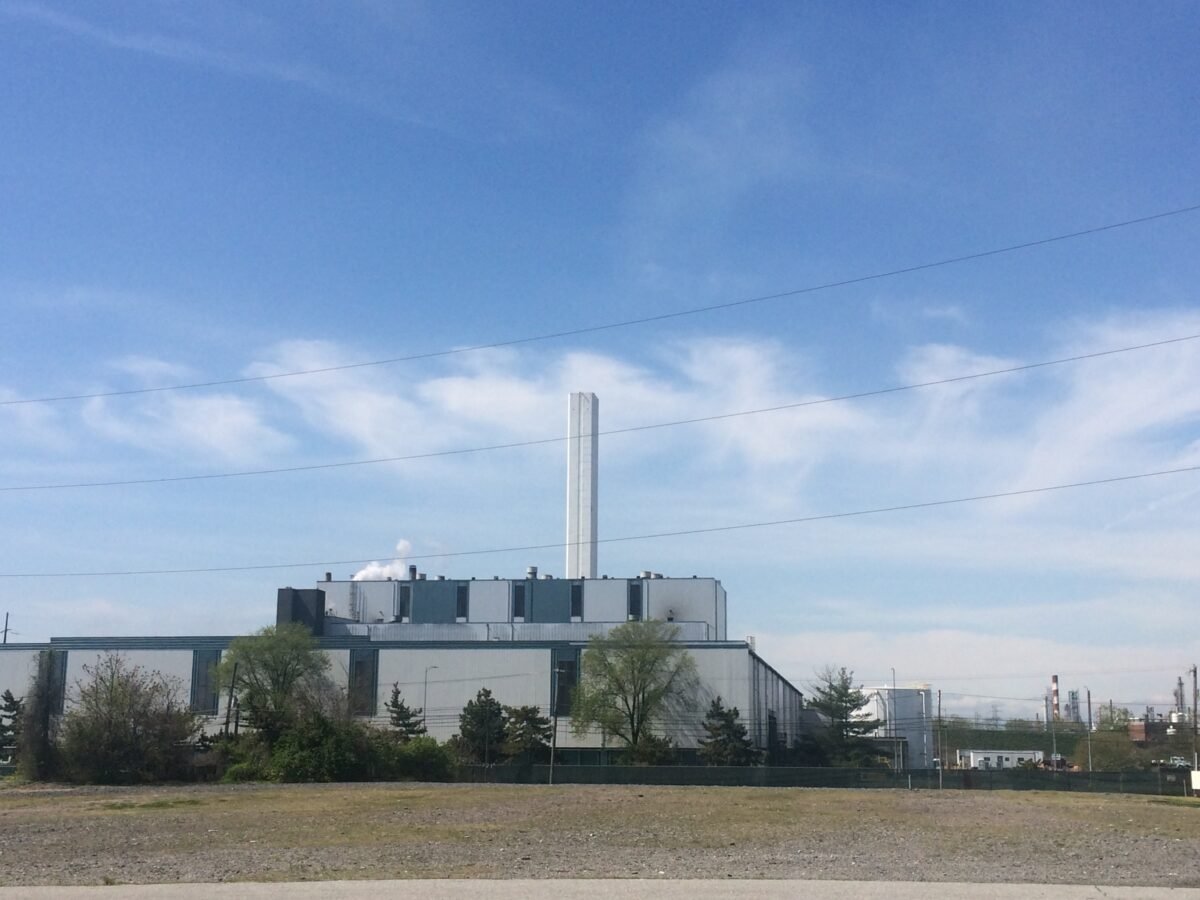
The cost lands somewhere else, though. The Reworld plant sits along the Delaware River in Chester, about 20 miles southwest of Philadelphia, and it is one of the largest waste-to-energy incinerators in the country. It opened in 1991.
Chester Mayor Stefan Roots has urged Philadelphia to think about who bears the burden. “You’ve already protected your people, Philadelphia. You eliminated incineration in the city of Philadelphia years ago,” Roots said. “Kind of look back and have some sympathy for us. We don’t want incineration here either.”
Zuleen Mayfield, who has spent more than three decades fighting the plant as chair of Chester Residents Concerned for Quality Living, put it more bluntly. “It has diminished our community,” she said. “Immediately it irritates your eyes. It gets in your throat, nose, and you feel it in the pit of your throat.”
Chester Health Commissioner Dr. Kristen Motley said the health challenges in the city demand attention. “It is not normal to experience the health impacts that are happening to Chester residents,” she said. “People are dying in their 30s, in their 40s with small children from diseases like cancer, rare cancer. This is preventable.”
State records back up part of the concern, though they stop short of proving a link to illness. Pennsylvania environmental regulators have fined the plant more than $423,000 for violations, according to records obtained by CBS News Philadelphia. Those records do not establish that the facility’s emissions caused specific health conditions reported by Chester residents, and Reworld declined to comment.
The politics inside Council are genuinely up in the air. Committee Chair Jamie Gauthier plans to propose an amendment stripping Reworld out of Bill 260794 so all of the city’s trash would go to landfills instead. She and Councilmember Nicolas O’Rourke have already said they will vote no, and organizers say four no votes would stop the contract in committee.
The fight does not end today either way. Councilmember Mark Squilla’s separate bill, which would force the administration to write a plan to divert 60 percent of the city’s waste away from landfills and incinerators, gets its own hearing Monday, Nov. 23.
For today, the question is simpler, and it is the one Chester has been asking for 35 years. Philadelphia banned incineration inside its own borders long ago. At 1 p.m., Council decides whether to keep paying another city to breathe it in.