

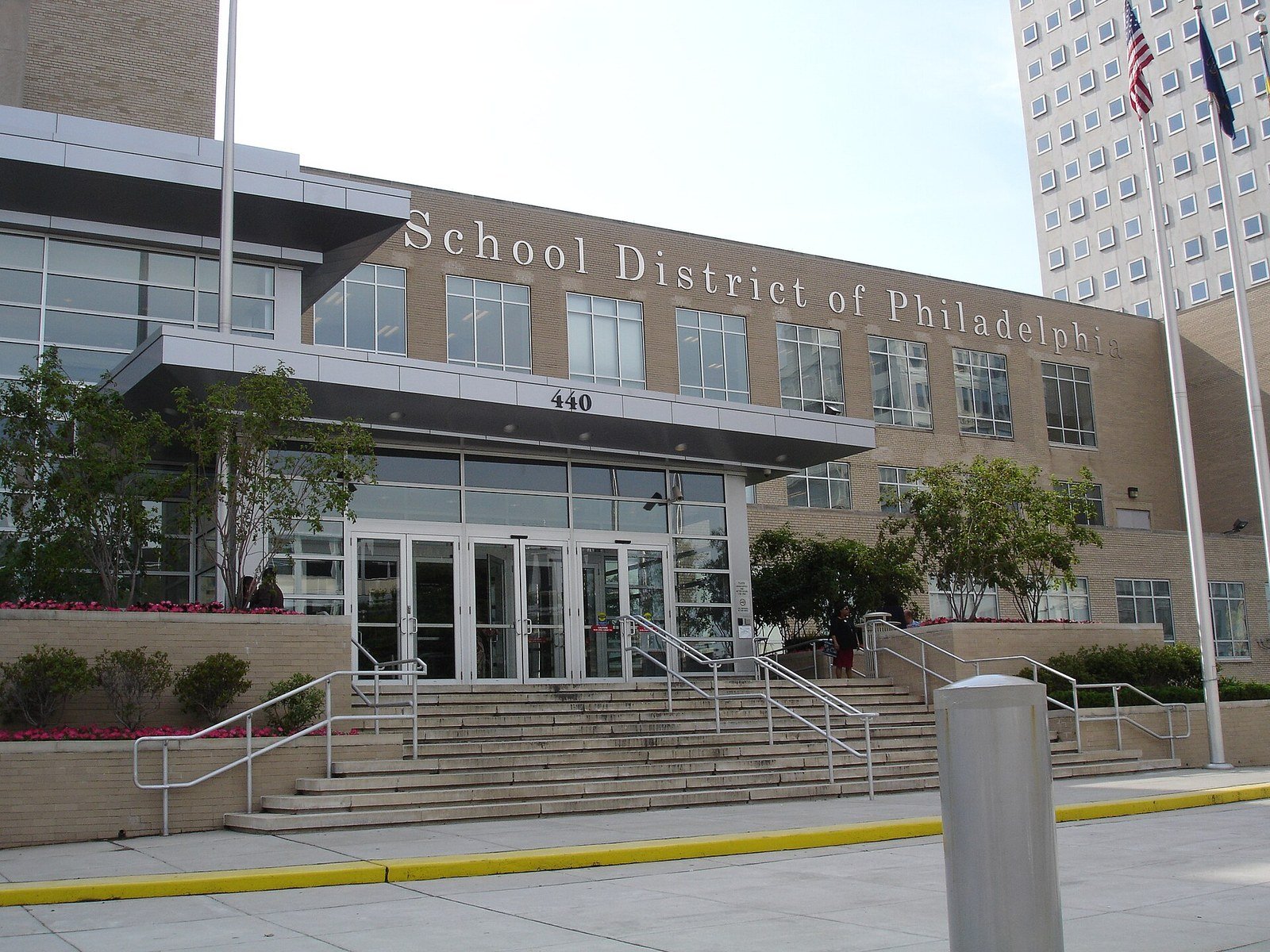
The steepest one-year drop since 2021 has district staff knocking on doors across the city, and nobody can say yet where the students went.
Philadelphia’s public schools opened this fall with nearly 2,500 fewer students than last year, the steepest slide since 2021, and the district cannot yet explain where the students went.
About 114,420 students were enrolled in district schools and district-run alternative schools as of Oct. 13, according to Chalkbeat Philadelphia’s analysis of the district’s daily enrollment snapshot. A year ago, the count stood at roughly 116,900. The difference is a drop of more than 2 percent in a year, in a system that counted more than 122,400 students about six years ago.
The slide is not a one-off. Enrollment grew by about 1,800 students two years ago, a rare bright spot, then slipped by 1,050 last year. This fall’s decline is more than double that, and it lands while the district is reshaping itself around a smaller student body. Under Superintendent Tony Watlington, the district decided to close 17 schools beginning next year, a facilities plan built on fewer children spread across aging buildings.
District officials say they are hunting for the missing students in person. Spokesperson Monique Braxton said in a statement that staff are “aggressively canvassing neighborhoods to locate children who are not attending school,” working alongside faith leaders, block captains, elected officials, and community organizations. “We want to bring enrollment in District-operated schools as close as possible to last year’s … and then build from there,” Braxton said.
The count itself has already moved once. In September, the district reviewed its rolls and added back 720 students it said were “improperly dropped,” the Philadelphia Inquirer reported. The state’s official Oct 1 numbers will not be published until the spring, so the current figures are preliminary and could still shift.
As for where the students went, the honest answer is that nobody knows. The alternatives are pulling in different directions. Enrollment in cyber charter schools among city students has climbed about 20 percent over five years, and brick-and-mortar charters have grown slightly, but neither accounts for a drop this size. A brand new charter, Early College Charter School, opened with 225 students, though how many arrived from district schools is unclear. Catholic schools are not absorbing the difference either. Preliminary Archdiocese of Philadelphia numbers show about 450 fewer students in its city schools.
Underneath the school choice shuffle sit slower forces. The city’s birth rate has been falling for years, which means smaller kindergarten classes each fall. Some families are leaving the city for other districts. Some educators and advocates also worry that stepped-up immigration enforcement is driving families away or toward online schooling. Priyanka Reyes-Kaura, K-12 education policy director at the advocacy group Children First, pushed back on the easy explanation that families are simply choosing something better. “But we actually don’t know yet where the students went,” she said.
Stacy Holland, executive director of the education nonprofit Elevate 215, read the numbers as a warning about quality. She pointed to “changes happening in consumer behavior” and said schools are not responding “rapidly enough to actually meet the quality needs that parents are looking for.”
The money stakes are real, even if they arrive slowly. Dan Urevick-Ackelsberg, a senior attorney at the Public Interest Law Center, noted that a single year’s drop does little to state funding on its own. The longer danger, he said, is political and structural. “State officials that don’t want to fund schools will say, ‘Well, they’re shrinking. We don’t need to fund them,'” he said. Every student who lands in a charter or cyber charter school also carries a payment the district must make, squeezing the budget for the students who remain.
For the Northeast, the district has published no neighborhood breakdown of this fall’s decline, so any claim about which local schools lost students would be guesswork. What earlier reporting established holds: dozens of district schools sit with hundreds of empty seats while some Northeast schools are overcrowded, a split that includes some of the district’s largest buildings, such as Northeast High School and George Washington High School. A shrinking headcount shapes the decisions that reach Tacony, Mayfair, and Bustleton: which buildings get modernized, which programs survive, and whether the closure list that starts next year grows.
